Pet Caretaker Guide: What It Costs and When to Hire One

Most pet owners focus on hourly rates, but hidden insurance premiums can turn a cheap sitter into a costly risk. Our guide shows when those extra fees make hiring unwise.
Find Relevant ExpertsPrimary keyword: pet caretaker
Secondary keywords: dog care taker at home, pet sitter vs caretaker, pet caretaker hourly rate, pet caretaker insurance, how to vet a pet caretaker
Table of Contents
- Pet Caretaker Guide: What It Costs and When to Hire One
- What a Pet Caretaker Actually Does
- Daily tasks
- Differences from a pet sitter
- Typical Pricing and Hidden Fees
- Hourly rates by region
- Weekend and holiday premiums
- Liability insurance cost
- When Hiring a Caretaker Saves Money
- Break‑even calculator
- Example scenarios
- How to Vet a Caretaker for Liability
- Ask for certificate of insurance
- Check certifications
- Verify references
- Special Case: Dog Care Taker at Home
- Pros and cons
- Legal considerations
- Cost comparison
- The short version
Pet Caretaker Guide: What It Costs and When to Hire One
You’re wondering whether hiring a pet caretaker is worth the price tag. Most owners compare hourly rates and assume the cheapest option saves money. What they overlook is the liability‑insurance premium that rides on top of any contract.
A basic sitter might charge $15 an hour, but if their policy caps at $50,000 you could be on the hook for the rest of a veterinary bill. Those caps translate into an extra $200‑$500 a year for a fully insured professional, and that cost shows up in the fine print.
Our rule of thumb: if the combined hourly fee plus the prorated insurance cost pushes your budget above $30 per hour, or if you can’t afford a potential $10,000 claim, look for a caretaker with a higher‑priced, comprehensive policy instead.
What a Pet Caretaker Actually Does
Daily tasks
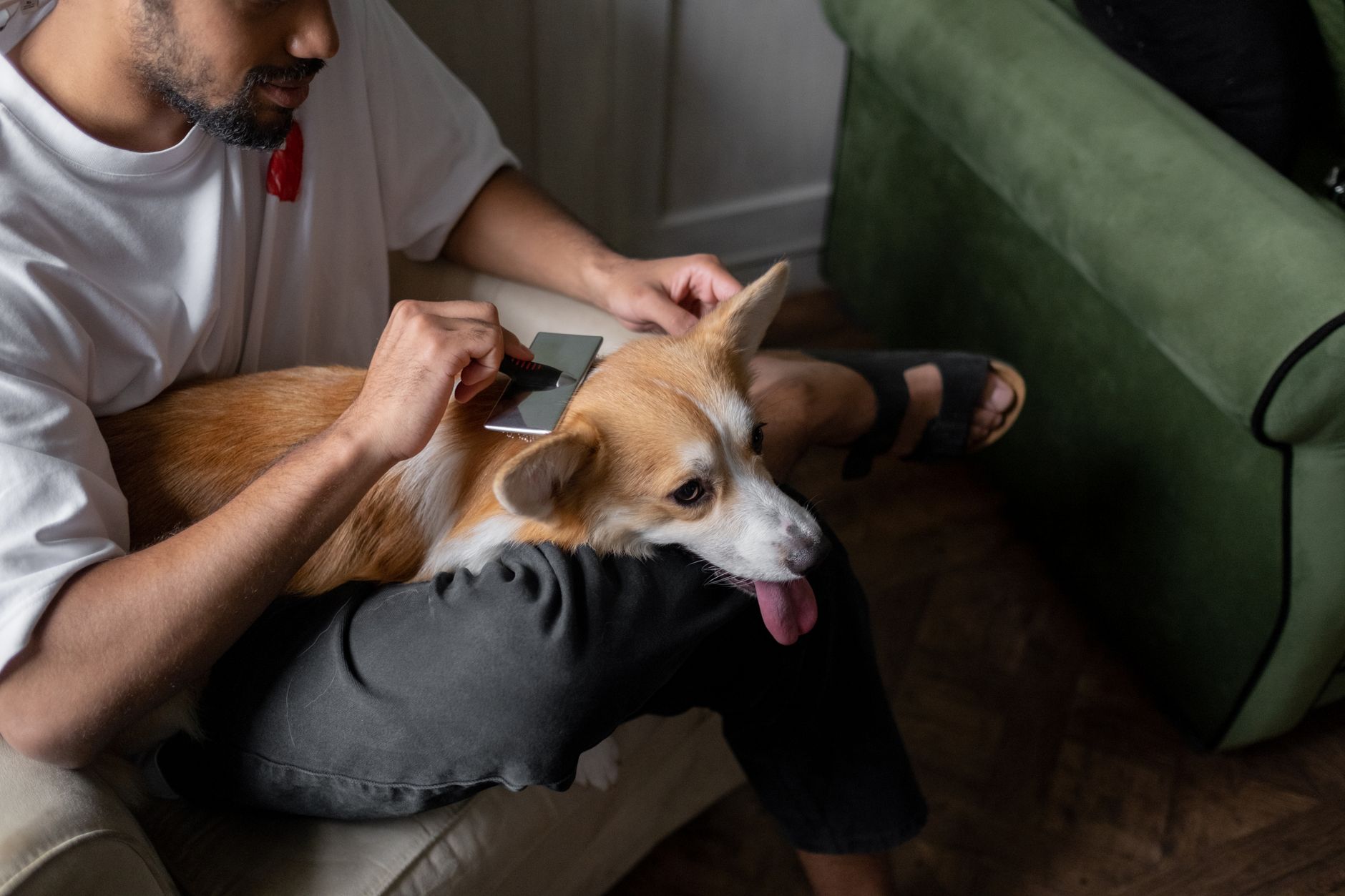
A pet caretaker shows up every day, not just when you’re out of town. Feeding follows your exact schedule—usually two to three meals, measured to the ounce, and logged in a shared Google Sheet. Walks range from a 15‑minute potty break to a 45‑minute trek, depending on breed and energy level. If your dog needs insulin, the caretaker will administer medication at the same time each day and note the dose on the sheet. Playtime isn’t a quick toss of a ball; it includes structured enrichment like puzzle toys or a 10‑minute training drill. Some caretakers also handle grooming basics—brushing, nail trims, ear wipes—so you don’t have to schedule a separate appointment. At the end of each visit they send a brief text: “Meal done, walk 30 min, meds OK, happy pup.”
Differences from a pet sitter
| Feature | Pet caretaker | Pet sitter |
|---|---|---|
| Visit frequency | Daily (or multiple times per day) | One‑time or occasional (usually 2‑4 hrs) |
| Scope | Full routine, meds, training, reporting | Feeding and short walk only |
| Contract length | 30‑day minimum common; renewable | Per‑visit or weekend‑only |
| Liability coverage | Often required commercial policy | Usually covered by homeowner’s policy |
A sitter might drop by on a Saturday for a 3‑hour visit, leaving your cat alone for the rest of the week. A caretaker, by contrast, fills that gap with a consistent routine that reduces stress for both pet and owner.
If you pay $25 / hour for a caretaker who works 2 hours each day, the monthly cost is roughly $1,500. Add a $300 liability policy and you’re looking at $1,800 a month. Compare that to a sitter at $30 / visit for four visits a month—$120 total. The difference isn’t just price; it’s the continuity of care.
When you need daily meds, behavioral training, or you simply can’t tolerate a pet’s anxiety between visits, the caretaker’s higher price makes sense. If your pet is low‑maintenance and you’re only away for a weekend, a sitter will likely cover the basics without the extra insurance headache.
Typical Pricing and Hidden Fees
Base rates for a pet caretaker vary wildly, but the advertised price on a neighborhood flyer rarely reflects your final invoice.
Hourly rates by region
Most independent sitters charge $15 to $40 per hour. In smaller Midwest towns, $20 buys an experienced worker for an hour. In cities like Seattle or San Francisco, expect to pay $35 to $40 for the exact same visit length.
| Location Type | Average Base Rate |
|---|---|
| Rural / Small Town | $15 – $20 / hr |
| Suburban | $20 – $30 / hr |
| Major Metro Area | $30 – $40 / hr |
Weekend and holiday premiums
That baseline rate jumps the moment you travel during peak times. Expect a $5 to $10 weekend bump per visit on Saturdays and Sundays. For major holidays like Thanksgiving or July 4th, sitters usually charge flat holiday surcharges of $15 to $25 per day on top of their elevated rates.
Liability insurance cost
If someone offers to watch your dog for $12 an hour, they probably skipped their overhead. Professional coverage isn't free.
A responsible pet caretaker pays $100 to $300 annually for general liability insurance through specialized brokers like Pet Care Insurance (PCI). On top of that, commercial bonding runs $50 to $100 a year, and clean background checks cost $15 to $30 each.
When an uninsured sitter accidentally lets your dog slip off the leash into traffic, or damages your hardwood floors by leaving a hose running, those savings disappear. You end up absorbing the legal and medical bills yourself. Paying a few dollars extra per hour for an insured professional is effectively buying access to their policy.
When Hiring a Caretaker Saves Money
Break‑even calculator
The math is simple enough to run on a phone calculator or in a spreadsheet. Multiply the caretaker’s hourly rate by the number of days you need service, then by the hours per day. If that product is lower than the quoted boarding fee, the caretaker wins on price.
Formula:
(hourly rate × days × hours) < boarding cost
Plug the numbers in and you’ll see the break‑even point in seconds. No need for a fancy app; even the built‑in calculator on Android or iOS does the job.
Example scenarios
| Service | Hours/day | Days | Hourly rate | Total cost | Boarding fee |
|---|---|---|---|---|---|
| Daily walk | 2 | 30 | $22 | $1,320 | $350 (kennel) |
| Evening play | 1.5 | 20 | $18 | $540 | $400 (daycare) |
| Full‑day sit | 8 | 15 | $25 | $3,000 | $1,200 (boarding) |
Take the first row. A 2‑hour walk each day for a 30‑day month at $22 / hour costs $1,320. The kennel charges a flat $350 for the month, so the caretaker is clearly pricier here.
Now flip the numbers. If you need a 4‑hour daily visit and the caretaker charges $15 / hour, the total is $1,800 for 30 days. Compare that to a $2,200 boarding bill for a premium facility; the caretaker saves you $400.
The tipping point lands roughly at $11.67 per hour for a 2‑hour daily walk over 30 days. Anything below that rate makes the caretaker cheaper than a $350 kennel.
So, before you sign a contract, run the calculator. If the result sits under the boarding quote, you’ve got a money‑saving solution. If not, the kennel or daycare probably still makes sense.
How to Vet a Caretaker for Liability
Ask for certificate of insurance
- Request a Certificate of Liability Insurance (COI) before the first meet‑up.
- Use a short email – see the template below:
Subject: COI Request – Upcoming Pet Care

Hi [Name],

Thanks for agreeing to look after [Pet’s name] next week.
Could you send me a copy of your liability insurance certificate?
I need to see:
- Policy holder name
- Effective dates covering the service period
- Minimum $1 M general liability limit
- Any exclusions for dogs, cats, or exotic pets

Feel free to attach a PDF or a link to the insurer’s portal.

Thanks,
[Your Name]
If the caretaker can’t produce a COI, treat it as a red flag and move on.
Check certifications
Certified pet‑care professionals are easier to trust because they’ve met industry standards. Look for any of the following:
| Certification | Issuing body | Typical cost (USD) |
|---|---|---|
| PPA Certified Pet Caregiver | Professional Pet Advocates | $120 renewal |
| NCPC Pet Care Specialist | National Companion Pet Council | $95 renewal |
| APPA Certified Pet Sitter | Association of Professional Pet Attendants | $150 renewal |
Ask the caretaker to email a scan of the badge or a link to the verification page. A missing badge isn’t a deal‑breaker, but it should prompt a deeper check.
Verify references
Call at least two recent clients. Keep the conversation under five minutes with these three questions:
- “Did any incident occur while [Caretaker] was with your pet?”
- “Were they prompt about notifying you of minor injuries or property damage?”
- “Did their insurance cover you if something went wrong?”
Note the tone of the answers. A hesitant “no, I’m not sure” often signals a hidden issue.
If the caretaker clears the COI, holds a recognized certification, and receives solid reference answers, you’ve cut the liability risk dramatically. Anything short of that, weigh the potential cost of a claim against the caretaker’s hourly rate – a $100 claim easily outweighs a $25‑per‑hour service.
Special Case: Dog Care Taker at Home
When your dog spends the night on your couch instead of a kennel, you’re buying peace of mind, not just a service. The trade‑off is a handful of hidden costs that can flip a $150‑a‑week deal into a liability nightmare. Below we break down when the in‑home model actually pays off.
Pros and cons
Pros – No crate anxiety, and your pet gets a walk on your schedule rather than a fixed kennel slot. You also keep control over diet, medication, and any special training cues.
Cons – The caretaker becomes a guest with full access to your yard, which means any bite or slip‑and‑fall lands on you, not the sitter. You also lose the backup of a professional facility’s insurance pool.
Legal considerations
Most homeowner policies exclude “business use” injuries. If the caretaker isn’t covered by their own liability insurance, you could be on the hook for a $10,000 vet bill plus legal fees. Some cities label daily pet‑sitting as a commercial activity; violating zoning rules can result in a $250 fine per incident. A quick check with your insurer—ask for a “home‑based caregiver endorsement”—will tell you whether you need an add‑on.
Cost comparison
| Service | Weekly rate | Typical insurance hit* |
|---|---|---|
| In‑home caretaker | $120‑$200 | $0‑$300 (if uncovered) |
| Kennel boarding (mid‑range) | $150‑$180 | $0 (facility covered) |
*Assumes a $250 claim for a bite without caretaker coverage.
Worked example: You pay $160 for a week of in‑home care. The caretaker trips on your porch, you foot a $200 vet bill because their policy is missing. Total cost = $360. A comparable kennel week costs $165, no extra fees.
Decision rule: If the caretaker’s liability coverage adds more than $50 per week, the boarding alternative is cheaper and less risky. In other words, once hidden insurance costs push the weekly total above $210, you’re better off reserving a kennel spot.
The short version
- Liability insurance can add $100‑$300/year to a caretaker’s price—factor it in before signing.
- If (hourly rate × hours × days) is under 70% of boarding cost, a caretaker is usually cheaper.
- Always request a certificate of insurance and verify any pet‑care certifications before hiring.
Frequently Asked Questions
Ready to Start Your Project?
About the Author
Talented Xpert connects businesses with top-tier freelance talent. Post a task, hire vetted experts, or find your next freelance project.