House Cleaning Services: What They Really Cost After Hidden Fees

Most house cleaning services hide extra charges until the final bill. We break down the common fees so you can see the real cost before you sign up.
Find Relevant ExpertsPrimary keyword: house cleaning services
Secondary keywords: commercial cleaning services, deep cleaning price, eco-friendly house cleaning, move-out cleaning cost, cleaning service contracts
Table of Contents
- House Cleaning Services: What They Really Cost After Hidden Fees
- Why the advertised price isn’t the whole story
- Travel surcharge
- Supply markup
- Minimum hour fees
- Weekend premium
- Breaking down the true cost of common services
- Standard cleaning
- Deep cleaning
- Move-out cleaning
- Weekly vs. monthly contracts
- Commercial cleaning services vs. residential – what’s the price gap
- Hourly vs. per‑square‑foot pricing
- Scope of work differences
- When the usual advice fails: high‑pet‑hair homes
- Extra time for pet hair
- Special equipment cost
- Decision rule: the 3‑step hidden‑fee calculator
- Step 1: Base rate
- Step 2: Add known hidden fees
- Step 3: Normalize to monthly cost
- Budgeting for house cleaning without surprise fees
- Sample spreadsheet
- Negotiating contract terms
- FAQs
- Do I need to sign a long‑term contract?
- Are eco‑friendly options more expensive?
- Can I cancel without penalty?
- The short version
House Cleaning Services: What They Really Cost After Hidden Fees
You’re probably tired of getting a quote for house cleaning services that balloons after the first visit. Most providers list a base rate, then slip in travel surcharges, supply mark‑ups, and per‑room add‑ons you never see coming.
The trick is to treat the price like a spreadsheet: start with the advertised hourly or flat fee, then stack every optional charge—minimum‑run time, stair fees, pet‑hair premiums, and the cost of cleaning products if the company supplies them. Once you’ve added them, you can compare offers on a true‑to‑life basis rather than guessing what the final bill will look like.
Use that total as your decision rule; if the sum exceeds your budget, walk away and ask for a transparent breakdown. Most reputable cleaners will gladly itemize—anything they hide is a red flag.
Why the advertised price isn’t the whole story
Travel surcharge
Many companies start with a base rate that looks cheap, then tack on $0.75 per mile once the crew leaves the city limits. If you live 12 miles from downtown, that’s an extra $9 you’ll see on the invoice.
Supply markup
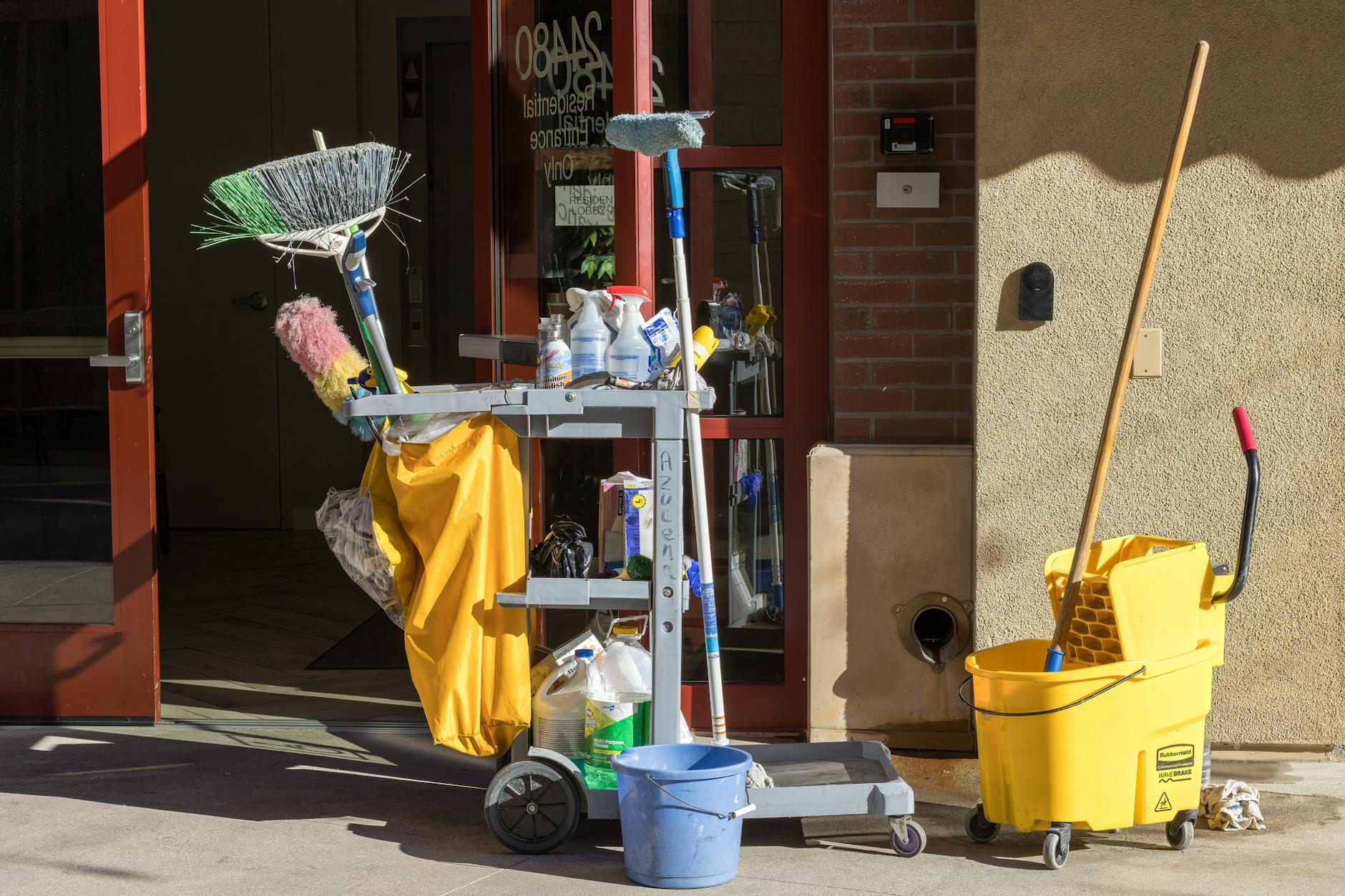
Cleaning products aren’t always included. Roughly 20 % of providers add a line item for supplies. On a $120 service, expect $24 for detergents, microfiber cloths, or specialty sprays.
Minimum hour fees
A “quick touch‑up” sounds like a 30‑minute job, but most firms enforce a 2‑hour minimum. At $35 per hour, a short visit ends up costing $70 instead of $17.50.
Weekend premium
Saturday or holiday slots usually carry a $20 surcharge. A $100 weekday quote jumps to $120 if you need the service on a Saturday.
Worked example
| Item | Base price | Added cost | Total |
|---|---|---|---|
| Cleaning (2 hrs) | $70 | , | $70 |
| Travel (12 mi) | , | $9 | $79 |
| Supplies (20 %) | , | $24 | $103 |
| Weekend fee | , | $20 | $123 |
So a headline “$100 house cleaning services” can easily become $123 once the hidden fees surface. Keep these extras in mind when you compare offers.
Breaking down the true cost of common services
Advertised quotes rarely reflect what hits your credit card statement. Here is what you should actually expect to pay for baseline work across common service tiers before extra add-ons.
| Service Type | Standard Price Range | Key Scope Included |
|---|---|---|
| Standard cleaning | $80–$150 | Surfaces, vacuuming, dusting, trash |
| Deep cleaning | $150–$300 | Carpet shampoo, oven & fridge interiors |
| Move-out cleaning | $200–$400 | Wall washing, trash haul-out, deep scrubbing |
Standard cleaning
Expect to pay $80 to $150 for a standard 2-bedroom, 1-bathroom home. This covers basic surface wiping, bathroom sanitizing, floor vacuuming, and trash removal.
Deep cleaning
Rates jump to $150–$300 for a deep clean. Providers add carpet shampooing and clean inside appliances like ovens and refrigerators, which takes double the labor hours.
Move-out cleaning
Move-out jobs cost $200 to $400 because hand-washing walls and clearing leftover junk demand heavy lifting. Landlords often reject deposit refunds if these specific tasks get skipped.
Weekly vs. monthly contracts
Signing a weekly contract shaves 10% to 20% off flat per-visit rates. However, most companies lock those discounts behind a strict 12-month contract that triggers cancellation fees if you break it early.
Commercial cleaning services vs. residential – what’s the price gap
Hourly vs. per‑square‑foot pricing
Commercial crews usually quote by the square foot. Expect $0.08‑$0.12 / sq ft for an office, while a typical home lands you $0.15‑$0.20 / sq ft. If you prefer an hourly rate, the gap flips: offices are billed $25‑$35 / hour, whereas residential deep‑cleans often start at $40 / hour once you add hidden fees.
| Service type | $/sq ft | $/hour |
|---|---|---|
| Office (commercial) | 0.08 – 0.12 | 25 – 35 |
| Home (residential) | 0.15 – 0.20 | 40 + |
Scope of work differences
Commercial contracts bundle cleaning agents, mop heads, and trash bags into the base price. That removes the 15 % supply markup you’ll see on most residential quotes, where the cleaner lists “materials” as a separate line item.
A quick calculation shows why the math matters. A 1,500 sq ft office at $0.10 / sq ft costs $150. Add a two‑hour labor charge at $30 / hour and the bill stays under $210. The same‑size house, quoted at $0.18 / sq ft, hits $270 before labor. Tacking on a $45 material surcharge pushes the residential total past $320, easily eclipsing the commercial price.
If you’re weighing offers, line up the per‑square‑foot rate, the hourly fee, and any supply add‑on. The side‑by‑side numbers often reveal a hidden economy of scale that commercial cleaners exploit.
When the usual advice fails: high‑pet‑hair homes
Extra time for pet hair
If you’ve got more than two cats or dogs, expect an extra 30‑45 minutes per room. A three‑bedroom, two‑bath flat that a standard quote treats as a two‑hour job will actually need three to three‑and‑a‑half hours. That’s a 50 % jump in labor, and most cleaners just tack it onto the bill as “additional time.”
Special equipment cost
Pet dander isn’t just hair; it triggers allergies. Most pros bring a HEPA‑rated vacuum and an anti‑allergen spray when they suspect heavy shedding. Those tools usually add $20‑$40 per visit, even if the homeowner didn’t ask for them.
Worked example
- Advertised rate: $120 for a 2‑hour, 3‑room clean.
- Extra labor: 1.5 hours × $30 / hour = $45.
- Equipment surcharge: $30.
- Total: $120 + $45 + $30 = $195.
In practice, many companies round that to $170 to stay competitive, but the hidden fees still push the price well above the headline. When you compare offers, add those pet‑hair line items yourself; otherwise the “cheapest” quote will surprise you at checkout.
Decision rule: the 3‑step hidden‑fee calculator
Step 1: Base rate
Start with the number the provider puts on the website or in the email.
If they quote $25 per hour and you expect a two‑hour clean, write down $50.
For a flat‑rate quote, just copy the figure—$120 for a standard one‑bathroom home, for example.
Step 2: Add known hidden fees
Pull the typical surcharges from the averages we listed earlier:
| Fee type | Typical add‑on |
|---|---|
| Travel distance | $10 |
| Cleaning supplies | $5 |
| Minimum‑hour charge | $15 |
| Weekend service | $20 |
| Pet‑hair extra | $10 |
If you need a weekend visit and have a cat, you’d add $20 + $10 + $10 + $5 + $15 = $60 to the base rate.
Step 3: Normalize to monthly cost
Take the total from step 2 and divide it by how many times you’ll schedule a clean each month.
For a bi‑weekly schedule (2 visits), the example above becomes ($50 + $60) ÷ 2 = $55 per visit.
Plug your own numbers into a simple spreadsheet or the “FeeCalc” tool we built, and you’ll see the true per‑visit cost side‑by‑side with any competitor’s quote.
Budgeting for house cleaning without surprise fees
Sample spreadsheet
| Visit | Base | Travel | Supplies | Pet surcharge | Total |
|---|---|---|---|---|---|
| 1 | $120 | $25 | $20 | $15 | $180 |
| 2 | $120 | $25 | $20 | $15 | $180 |
| 3 | $120 | $25 | $20 | $15 | $180 |
| 4 | $120 | $25 | $20 | $15 | $180 |
| Monthly cost: 4 × $180 = $720 |
Plug the numbers into a simple spreadsheet – even Google Sheets will do – and you’ll see the hidden line items add up fast. The example above assumes a typical suburban provider; adjust travel or pet fees if you live farther out or have larger animals.
Negotiating contract terms
Ask the cleaner for a flat‑rate agreement that bundles travel and supplies into a single charge. A common approach is to cap those extras at $50 per visit, turning the $180 example into a predictable $170.
If the provider balks, suggest a quarterly review: keep the base rate steady, but let the cap reset every three months. That forces both sides to stay honest about mileage spikes or supply price hikes, and it gives you a concrete line on the contract to reference when the bill arrives.
FAQs
Do I need to sign a long‑term contract?
No, but skipping one costs extra. Standard house cleaning services push annual agreements, but most offer flexible arrangements if you ask. Expect to pay $15 to $30 extra per visit on a month-to-month plan. Pay that surcharge for your first two cleans to test the quality before you lock in a yearly rate.
Are eco‑friendly options more expensive?
Usually. Requesting EPA-approved green products typically adds 5% to 10% to your bill because the supply costs run higher. If you work from home, check your local tax rules. A few states allow partial deductions for eco-certified property upkeep if you claim a home office.
Can I cancel without penalty?
Only if the agreement allows it. Early termination fees range from $0—provided you give 48 hours of notice—up to the full cost of one month’s service. Read the fine print on the intake sheet before signing. Watch out for terms labeled "liquidated damages" or "minimum service commitments."
The short version
- Hidden fees like travel, supplies, and pet‑hair surcharges can add $40‑$80 to a typical quote
- Use the 3‑step calculator to turn any advertised price into a true monthly cost
- A flat‑rate contract that caps extras is usually cheaper than a per‑visit quote with hidden add‑ons
Frequently Asked Questions
Ready to Start Your Project?
About the Author
Talented Xpert connects businesses with top-tier freelance talent. Post a task, hire vetted experts, or find your next freelance project.